
As the seasons change in New York City, your locks and security systems face different environmental challenges that can affect their performance and longevity. From the freezing winters that can cause locks to seize up to the humid summers that promote rust and corrosion, regular seasonal maintenance is essential for keeping your property secure. Whether you're in Astoria, need a Locksmith 11369, Locksmith 10002, Locksmith 11201, or Locksmith 10022, understanding how to maintain your locks throughout the year can save you from emergency lockouts and costly repairs.
At Locksmith Astoria Queens, we've seen firsthand how preventive maintenance can extend the life of your locks and prevent security vulnerabilities. This comprehensive guide will walk you through seasonal maintenance tasks that every property owner should perform to ensure their locks remain in optimal condition year-round.
Spring Lock Maintenance: Post-Winter Recovery
Spring is the perfect time to assess any damage winter may have caused to your locks and security systems. The freeze-thaw cycles of winter can wreak havoc on lock mechanisms, causing expansion and contraction that may lead to alignment issues.
Inspect for Winter Damage
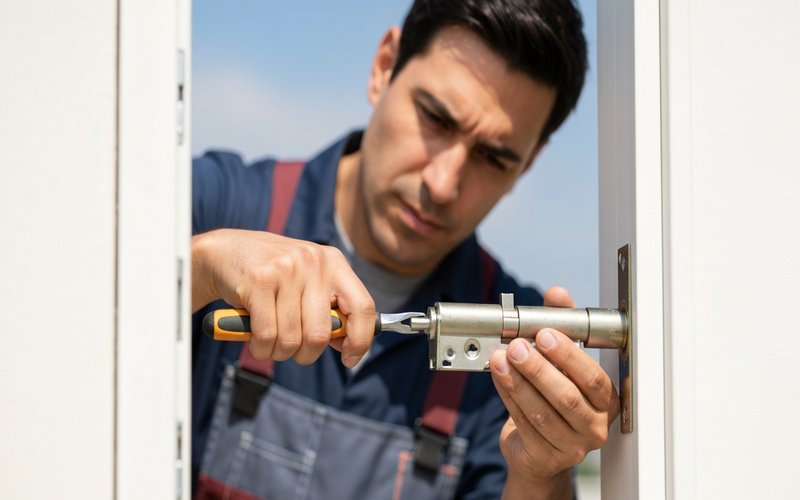
Start by examining all exterior locks for signs of frost damage, rust, or moisture accumulation. Pay special attention to deadbolts and door handles that were exposed to snow, ice, and road salt throughout winter. Look for:
- Discoloration or rust spots on metal components
- Sticky or stiff key insertion
- Difficulty turning keys smoothly
- Loose door hardware or strike plates
- Weather stripping that has deteriorated
Deep Cleaning and Lubrication
Spring cleaning should extend to your locks. Use a dry brush or compressed air to remove debris, dust, and salt residue from keyholes and lock mechanisms. Never use water-based cleaners inside locks, as moisture can cause internal corrosion. Instead, apply a graphite-based lubricant or a specialized lock lubricant to ensure smooth operation.
For residents seeking a Locksmith 11369 or surrounding areas, professional spring inspections can identify hidden issues before they become security risks.
Summer Lock Care: Fighting Humidity and Heat
Summer in New York brings high humidity levels that can cause locks to swell, stick, and develop rust. The combination of heat and moisture creates the perfect environment for metal corrosion and electronic lock malfunctions.
Combat Humidity-Related Issues
Humidity causes metal components to expand and wooden doors to swell, which can throw off lock alignment. Check that all your doors close properly and that latches engage fully with strike plates. If doors are sticking or locks are hard to operate, you may need to adjust strike plates or plane down doors that have swollen.
Maintain Electronic Locks and Smart Systems
Summer is an excellent time to test electronic locks and smart home security systems. High temperatures can drain batteries faster and cause electronic components to malfunction. Replace batteries in keyless entry systems even if they haven't died yet, and test all access codes to ensure they're working correctly.
If you're experiencing issues with smart locks in areas like those requiring a Locksmith 10002, professional diagnostics can prevent system failures during vacation season when security is paramount.
Fall Lock Preparation: Getting Ready for Winter
Fall is the most critical season for lock maintenance, as you're preparing your security systems for the harsh winter ahead. Taking preventive steps now can save you from frozen locks and emergency locksmith calls in the middle of a snowstorm.
Weatherproofing Your Locks
Install or replace weather covers on all exterior locks to protect them from rain, snow, and ice. Check that door thresholds and weather stripping are in good condition to prevent moisture intrusion that can freeze inside lock mechanisms.
Apply a moisture-displacing lubricant to all exterior locks, which will create a protective barrier against water while keeping mechanisms moving smoothly. This is especially important for:
- Garage door locks
- Gate locks
- Shed and outdoor storage locks
- Vehicle door locks (if parking outside)
- Mailbox locks
Test All Entry Points
Fall is the ideal time to test every lock on your property. Try all your keys in all your locks to ensure they work smoothly. If any key sticks or requires excessive force, address the issue now rather than waiting for a freezing night when the problem will worsen.
For commercial properties or those seeking a Locksmith 11201, a comprehensive fall security audit can identify vulnerabilities before the busy holiday season.
Winter Lock Protection: Preventing Freeze-Ups
Winter presents the most challenging conditions for locks. Freezing temperatures can cause moisture inside lock cylinders to freeze, making keys impossible to insert or turn. Salt and de-icing chemicals also accelerate corrosion.
Preventing Frozen Locks
The key to preventing frozen locks is keeping moisture out. Never attempt to thaw a frozen lock with water, as this will only make the problem worse. Instead:
- Use a lock de-icer spray specifically designed for this purpose
- Keep a small bottle of hand sanitizer (which contains alcohol) to unfreeze locks in emergencies
- Warm your key with a lighter before inserting it (carefully)
- Cover locks with magnetic covers when not in use
Regular Winter Checks
During winter months, check your locks weekly. The freeze-thaw cycle can cause rapid deterioration. If you notice any resistance when turning keys or difficulty inserting them, address the issue immediately before you face a complete lockout.
Those in Manhattan seeking a Locksmith 10022 should note that high-rise buildings face unique winter challenges with rooftop access and terrace door locks exposed to extreme wind chill.
Year-Round Lock Maintenance Best Practices
Beyond seasonal considerations, certain maintenance practices should be performed throughout the year to ensure optimal lock performance and security.
Monthly Maintenance Checklist
Create a simple monthly routine that includes:
- Testing all keys in all locks
- Checking that deadbolts extend fully
- Ensuring strike plates are secure
- Verifying that door hardware is tight
- Testing electronic locks and replacing batteries as needed
- Checking that security cameras and doorbell cameras are functioning
Key Management
Proper key management is often overlooked but crucial for lock longevity. Worn or damaged keys can damage lock cylinders over time. Replace keys that show signs of wear, such as:
- Bent or warped metal
- Worn teeth that appear smooth
- Keys that require wiggling to work
- Copies of copies (which lose precision)
Professional Inspections
While DIY maintenance is valuable, professional locksmith inspections should be scheduled annually. A qualified locksmith can identify issues that aren't visible to the untrained eye, such as internal wear, security vulnerabilities, and outdated lock technology that should be upgraded.
Common Lock Problems and Solutions
Sticky or Stiff Locks
If your lock feels sticky or the key doesn't turn smoothly, the issue is usually debris buildup or lack of lubrication. Clean the keyhole with compressed air and apply graphite powder or silicone-based lock lubricant. Never use WD-40 or oil-based products, as these attract dirt and can gum up mechanisms.
Loose Door Hardware
Door knobs and deadbolts can loosen over time due to repeated use. Tighten all visible screws on both sides of the door. If screws won't tighten, the screw holes may be stripped. Use longer screws or fill holes with toothpicks and wood glue before reinserting screws.
Misaligned Locks
If your deadbolt doesn't slide smoothly into the strike plate or requires lifting the door to lock, there's a misalignment issue. This often occurs when doors settle or hinges wear. You may need to adjust the strike plate position or replace worn hinges.
Frequently Asked Questions About Locksmith Services
Do locksmiths charge a call out fee?
Yes, most locksmiths charge a service call fee that covers the cost of traveling to your location. This fee typically ranges from $50 to $100 and is separate from the cost of labor and parts. Emergency after-hours services usually incur higher call-out fees. At Locksmith Astoria Queens, we believe in transparent pricing and will always quote you the full cost before beginning work.
What to do if you can't afford a locksmith?
If you're facing a lockout but concerned about cost, first call for a quote to understand the actual expense. Many locksmith services are more affordable than expected. If cost is still prohibitive, consider these alternatives: contact your landlord (who may have spare keys), call a trusted friend or family member who has a spare key, or if you're locked out of a car, contact your auto insurance company as some policies include roadside assistance with lockout services.
What proof do I need for a locksmith?
For security reasons, reputable locksmiths require proof that you have the right to access the property. Typically, you'll need to provide a government-issued ID with an address matching the property, a lease agreement, utility bills in your name, or property ownership documents. For vehicles, you'll need registration and title proving ownership. This verification protects both you and the locksmith from potential legal issues.
Can you refuse to pay a locksmith?
You should never refuse to pay for legitimate services rendered. However, if you believe you've been overcharged or services weren't performed as agreed, discuss the issue with the locksmith immediately. Reputable locksmiths will work with you to resolve billing disputes. Before services begin, always get a written estimate and ask about all potential charges. If you encounter a scammer posing as a locksmith, document everything and report them to local authorities.
What do locksmiths usually charge?
Locksmith costs vary based on the service required, time of day, and complexity of the job. Standard services typically cost:
- Lock rekeying: $50-$150 per lock
- Lock replacement: $100-$250 depending on lock quality
- Lockout services: $75-$200
- Key duplication: $2-$10 per key
- New lock installation: $100-$300
- Smart lock installation: $200-$500
What's the average pay for a locksmith?
While this question is often asked, it's worth noting that locksmith compensation varies widely based on experience, specialization, and location. In the New York City area, experienced locksmiths typically earn between $45,000 and $70,000 annually, with master locksmiths and those who own their businesses earning significantly more. This expertise and training is reflected in the quality of service you receive.
Is It Cheaper to Rekey or Replace Locks?
One of the most common questions we receive at Locksmith Astoria Queens is whether rekeying or replacing locks is more cost-effective. The answer depends on your specific situation.
When to Rekey
Rekeying is generally much cheaper than replacement, typically costing $50-$150 per lock compared to $100-$250 for replacement. Rekeying is the best option when:
- Your locks are in good working condition
- You've moved into a new home and want to ensure previous owners can't access it
- You've lost keys and want to maintain security
- You want all locks to work with one key
- Your locks are high-quality and worth keeping
When to Replace
Lock replacement is necessary when:
- Locks are damaged, worn, or malfunctioning
- You want to upgrade to higher security locks
- You're installing smart locks or electronic access systems
- Current locks don't meet modern security standards
- Locks are outdated or have been compromised
Upgrade Your Security with Professional Help
While regular maintenance can significantly extend the life of your locks and prevent many common problems, there comes a time when professional intervention is necessary. Whether you're dealing with a stubborn lock, planning a security upgrade, or facing an emergency lockout, having a trusted locksmith is essential.
At Locksmith Astoria Queens, serving Astoria and surrounding areas including those needing a Locksmith 11369, Locksmith 10002, Locksmith 11201, and Locksmith 10022, we're committed to keeping your property secure through every season. Our team of experienced professionals uses premier equipment and techniques to provide comprehensive lock and security solutions.
Don't wait until a small maintenance issue becomes an emergency. Whether you need a seasonal inspection, lock rekeying, or emergency services, our vetted local professionals are here to help with transparent pricing and expert service.
Take Action Today
Seasonal lock maintenance isn't just about preventing inconvenient lockouts—it's about maintaining the security and integrity of your property year-round. By following these seasonal maintenance tips and scheduling regular professional inspections, you'll ensure that your locks provide reliable protection regardless of what weather conditions come your way.
Remember, preventive maintenance is always less expensive than emergency repairs. Take a few minutes each season to care for your locks, and they'll provide years of reliable service.
For professional locksmith services, seasonal maintenance inspections, or emergency assistance in Astoria and throughout Queens and Manhattan, contact Locksmith Astoria Queens today. Our experienced team is ready to help you maintain optimal security throughout every season. Visit us at 17-30 27th St, Astoria, NY 11105, or call us for immediate assistance. Your security is our priority, and we're here to ensure your locks are always ready to protect what matters most.