
Home security is one of the most important aspects of protecting your family and belongings, and understanding locksmith safety is a critical part of that equation. Whether you're dealing with a lockout emergency, upgrading your home's security, or simply maintaining your locks, knowing how to work safely with locksmith services can save you money, stress, and potential security risks. As homeowners in Astoria, Queens, you have access to numerous locksmith services, but not all are created equal. This comprehensive guide will walk you through everything you need to know about locksmith safety, helping you make informed decisions and maintain the security of your home.
Understanding the Importance of Locksmith Safety
When you call a locksmith to your home, you're essentially inviting someone to access your most secure entry points. This person will have intimate knowledge of your home's vulnerabilities, lock types, and security systems. That's why choosing a reputable, trustworthy locksmith isn't just about getting quality work—it's about protecting your family's safety and security.
Many homeowners don't think about locksmith safety until they're in an emergency situation, locked out of their home at night or dealing with a broken lock. However, taking time to understand locksmith safety practices before you need emergency services can help you avoid costly mistakes and potential security breaches.
Why Locksmith Scams Are Common
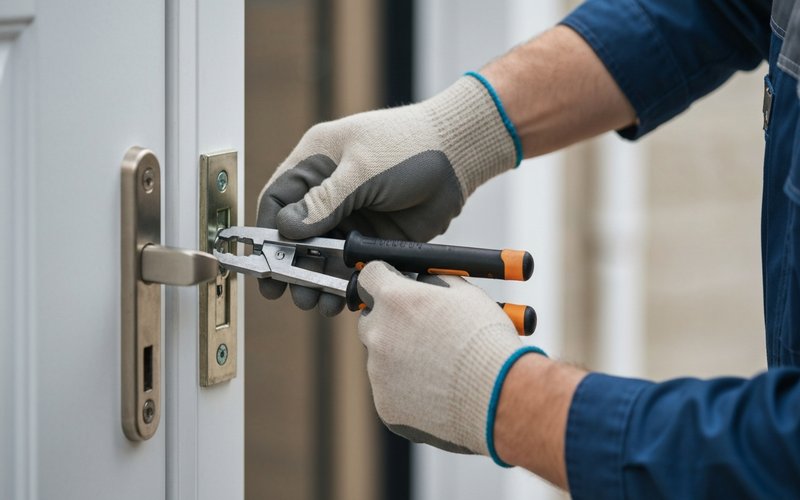
Unfortunately, the locksmith industry has seen its share of scammers and fraudulent operators. These bad actors take advantage of people in vulnerable situations—like being locked out of their home—to charge excessive fees or provide substandard service. Several factors contribute to the prevalence of locksmith scams:
Low Barriers to Entry: In many areas, becoming a locksmith doesn't require extensive licensing or certification, making it easier for unqualified individuals to advertise locksmith services.
Emergency Situations: Scammers know that people in lockout situations are desperate and may not take time to verify credentials or compare prices.
Online Advertising: Fraudulent locksmiths often create multiple fake listings with local addresses, making them appear legitimate when they're actually operating from out of state.
Cash Transactions: Many locksmith services are paid in cash on the spot, making it harder to dispute charges or get refunds for poor service.
Red Flags to Watch For
Protecting yourself from locksmith scams starts with knowing what warning signs to look for. Here are the most common red flags that should make you think twice:
Unmarked Vehicles: Legitimate locksmith companies typically arrive in branded vehicles with clear company information. If someone shows up in an unmarked personal vehicle, that's a major warning sign.
Lack of Proper Identification: Professional locksmiths should always provide identification and business credentials upon arrival. Don't hesitate to ask for these documents.
Vague Pricing: Be wary of locksmiths who refuse to provide price estimates over the phone or who give extremely low quotes that dramatically increase once they arrive.
Immediate Lock Replacement: Some scam artists will immediately recommend replacing your entire lock rather than attempting to pick or rekey it, even when replacement isn't necessary.
Demand for Cash Only: While many locksmiths accept cash, those who refuse credit cards or other payment methods may be trying to avoid accountability.
No Physical Address: Legitimate businesses have real, verifiable addresses. Be suspicious of companies that only provide a phone number or P.O. box.
Pressure Tactics: Scammers often use high-pressure sales tactics or create artificial urgency to prevent you from seeking second opinions.
How to Find a Trusted Local Locksmith
Finding a reliable locksmith before you need one is the best way to ensure your safety and security. Here's how to identify trustworthy locksmiths in the Astoria area:
Verify Local Presence: Choose locksmiths with actual physical locations in or near Astoria. A business with a real storefront at an address like 17-30 27th St, Astoria, NY 11105, demonstrates commitment to the local community.
Check Reviews and References: Look for consistent positive reviews across multiple platforms like Google, Yelp, and the Better Business Bureau. Pay attention to how companies respond to negative reviews.
Confirm Licensing and Insurance: Ask about licensing, bonding, and insurance coverage. Legitimate locksmiths carry liability insurance to protect both themselves and their customers.
Ask for Recommendations: Talk to neighbors, friends, and family members about locksmiths they've used successfully. Personal recommendations are often the most reliable.
Test Their Knowledge: When you call, ask specific questions about your lock type or security needs. Professional locksmiths should demonstrate expertise and be willing to educate you.
Establish a Relationship: Once you find a trustworthy locksmith, save their contact information and consider using them for all your locksmith needs, from emergencies to routine maintenance.
Understanding Fair Locksmith Pricing
One of the most common concerns homeowners have is whether they're being charged fairly for locksmith services. While prices can vary based on the complexity of the job, time of day, and your location, understanding typical pricing structures helps you identify potential scams.
How Much Do Locksmiths Usually Charge?
Locksmith pricing typically includes several components:
Service Call Fee: Most locksmiths charge a base service call fee ranging from $50 to $100 to come to your location. This fee usually covers the first 30 minutes of work and travel costs.
Labor Costs: Additional labor beyond the service call typically runs $50 to $100 per hour, depending on the complexity of the work.
Parts and Materials: If you need new locks, keys, or other hardware, these costs are added separately and should be itemized on your invoice.
Emergency Service Premiums: After-hours, weekend, and holiday service often costs 50-100% more than regular business hours.
Lock Rekeying: Rekeying a standard residential lock typically costs $20 to $50 per lock, not including the service call fee.
Lock Installation: Installing a new deadbolt or door lock usually ranges from $75 to $200, depending on the lock quality and installation complexity.
How Much Should I Tip a Locksmith?
Tipping locksmiths isn't mandatory, but it's a thoughtful gesture for exceptional service. If you choose to tip, $10 to $20 is appropriate for standard service, or 10-15% of the total bill for more extensive work. Consider tipping more for emergency calls during inconvenient hours or when the locksmith goes above and beyond.
What to Do If You're Locked Out
Being locked out of your home is stressful, but staying calm and following these steps will help ensure your safety and prevent you from falling victim to scams:
Assess Your Situation: Before calling a locksmith, check all doors and windows. Sometimes there's an unlocked entry point you've overlooked.
Contact Trusted Sources First: If you have a landlord, property manager, or family member with a spare key, try reaching them first.
Call a Pre-Vetted Locksmith: If you've already identified a trusted locksmith, call them. If not, take time to research rather than calling the first number you find.
Get a Written Estimate: Before any work begins, insist on a written estimate that includes all fees, labor, and potential additional costs.
Verify Identity: When the locksmith arrives, ask to see identification and verify it matches the company you called.
Document Everything: Take photos of the locksmith's vehicle, license plate, and identification. Keep all receipts and written estimates.
Stay Present: Don't leave the locksmith alone with access to your home. Watch the work being performed and ask questions.
What Are Three Responsible Practices That Locksmiths Should Always Follow?
Professional, ethical locksmiths adhere to strict standards of practice. Understanding these standards helps you identify legitimate professionals:
Proper Identification and Verification: Reputable locksmiths always request proof that you're the property owner or authorized resident before providing service. They should ask for identification and verify your right to access the property. While this might seem inconvenient when you're locked out, it's actually protecting your security.
Transparent Pricing and Communication: Honest locksmiths provide clear pricing information upfront and explain all charges before beginning work. They should itemize costs for labor, materials, and any additional fees, giving you the opportunity to approve or decline services.
Attempting Non-Destructive Methods First: Professional locksmiths try to pick or bypass locks before recommending drilling or replacement. While some situations genuinely require lock replacement, this should be a last resort, not the first suggestion.
Services You Should Expect from Professional Locksmiths
Understanding the full range of services professional locksmiths offer helps you make the most of their expertise and maintain your home's security:
Emergency Lockout Services
Professional locksmiths provide 24/7 emergency lockout assistance for residential properties. This service should be completed quickly while maintaining the integrity of your locks whenever possible.
Lock Installation and Replacement
From basic deadbolts to high-security lock systems, professional locksmiths install and replace all types of locks. They should help you choose appropriate locks for your security needs and budget.
Lock Rekeying
Rekeying is a cost-effective alternative to complete lock replacement. This service changes the internal pins of your existing locks so old keys no longer work, perfect for new homeowners or after losing keys.
Key Duplication and Master Key Systems
Beyond basic key copying, professional locksmiths can create master key systems that allow different levels of access for different keys—useful for homeowners who rent out spaces.
Security Assessments
Many locksmiths offer home security evaluations, identifying vulnerabilities in your current setup and recommending improvements.
Smart Lock Installation and Programming
As home automation grows, professional locksmiths now install and program smart locks, keyless entry systems, and integrated security solutions.
What Locks Can Locksmiths Not Open?
While professional locksmiths can handle most locks, some situations present challenges:
Certain High-Security Locks: Some military-grade or specialized high-security locks use proprietary technology that requires manufacturer intervention to open without keys.
Biometric Locks with System Failures: When biometric locks experience electronic failures, they may require manufacturer repair rather than locksmith services.
Safes Without Proper Authorization: Most professional locksmiths won't open safes without absolute proof of ownership due to legal and ethical concerns.
Severely Damaged or Corroded Locks: Locks that have sustained fire damage, extreme corrosion, or structural damage may need complete replacement rather than opening.
However, these situations are rare. A skilled locksmith can handle the vast majority of residential lock challenges you'll encounter.
Essential Home Security Tips Beyond Locksmith Services
Maintaining home security goes beyond having good locks. Implement these practices to maximize your home's safety:
- Change locks when moving into a new home: You never know who might have keys from previous owners or tenants
- Rekey locks after losing keys: Don't risk unauthorized access—rekey immediately
- Install deadbolts on all exterior doors: Standard doorknob locks aren't sufficient security on their own
- Ensure proper door frame security: Even the best locks are useless if door frames are weak
- Maintain your locks regularly: Lubricate locks annually and address sticking or difficulty immediately
- Don't hide spare keys in obvious places: Lockboxes are better than under mats or fake rocks
- Consider security lighting: Motion-activated lights deter potential intruders
- Trim landscaping near entry points: Don't provide hiding spots for would-be burglars
- Install window locks: Don't neglect window security when focusing on doors
- Document your locks and keys: Keep records of lock types and key codes for emergencies
Building a Relationship with Your Local Locksmith
Establishing an ongoing relationship with a trusted locksmith provides benefits beyond emergency situations:
Familiarity with Your Property: A locksmith who knows your home's security setup can provide faster, more efficient service.
Priority Service: Regular customers often receive priority scheduling during emergencies.
Better Pricing: Long-term relationships may lead to loyalty discounts or more competitive pricing.
Proactive Security: Your locksmith can monitor new security technologies and recommend upgrades appropriate for your needs.
Peace of Mind: Knowing you have a trusted professional to call reduces stress when security issues arise.
How to Choose the Right Locksmith for Emergency Situations
When an emergency strikes, you need to make quick but smart decisions:
Keep Contact Information Accessible: Store your chosen locksmith's number in your phone and write it down in your wallet.
Know What Information to Provide: Be ready to describe your lock type, door type, and the nature of your emergency.
Understand Response Times: Ask about typical response times for your area of Astoria before you need emergency service.
Confirm the Price Range: Even in emergencies, you have time to confirm approximate pricing before committing to service.
Trust Your Instincts: If something feels wrong when the locksmith arrives, don't hesitate to send them away and call someone else.
Maintaining Your Locks for Long-Term Security
Proper lock maintenance extends their lifespan and ensures reliable security:
Annual Lubrication: Use graphite powder or silicone-based lubricants (never WD-40) to keep lock mechanisms moving smoothly.
Regular Testing: Test all locks monthly to ensure they're engaging properly and keys turn smoothly.
Weather Protection: Address rust and corrosion promptly, especially on exterior locks exposed to elements.
Professional Inspections: Have a locksmith inspect your locks every few years to identify wear before it becomes a problem.
Timely Repairs: Don't ignore sticking, grinding, or difficulty locking—these issues only worsen over time.
Get in Touch
Protecting your home and family starts with understanding locksmith safety and choosing the right professionals for your security needs. At Locksmith Astoria Queens, we're committed to providing transparent, reliable, and professional locksmith services to homeowners throughout the Astoria area. Our team follows all industry best practices, provides upfront pricing, and treats every home's security with the seriousness it deserves.
Whether you're dealing with an emergency lockout, planning a security upgrade, or need routine lock maintenance, we're here to help. Don't wait until an emergency forces you to make hasty decisions—establish a relationship with a trusted locksmith today.
For reliable, professional locksmith services in Astoria, Queens, contact us today. Our experienced team is ready to answer your questions, provide free estimates, and ensure your home's security meets the highest standards. Remember, the best time to find a trustworthy locksmith is before you need one. Save our contact information now and rest easy knowing you have a reliable partner for all your home security needs.