
When you're facing a lock problem at your Astoria home or business, the temptation to grab your toolbox and try a DIY solution can be strong. After all, the internet is full of tutorials promising quick fixes for everything from stuck locks to rekeying deadbolts. But before you start dismantling your door hardware, it's crucial to understand when a do-it-yourself approach makes sense and when calling a professional locksmith is the smarter, safer, and often more cost-effective choice.
The stakes are high when it comes to your property's security. A poorly executed DIY lock repair can leave your home vulnerable to break-ins, damage your door beyond simple repair, or leave you locked out at the most inconvenient time. On the other hand, some basic lock maintenance tasks are perfectly suitable for handy homeowners. This comprehensive guide will help you navigate the decision between tackling lock issues yourself and trusting the experts at Locksmith Astoria Queens.
Understanding the Appeal of DIY Lock Solutions
The DIY movement has transformed how many homeowners approach repairs and improvements. When it comes to locks and security hardware, several factors make the DIY route attractive to Astoria residents.
Cost savings represent the primary motivation for most people considering DIY locksmith work. Professional services come with labor costs, and when you're on a tight budget, the idea of purchasing a $30 lock instead of paying for installation seems sensible. YouTube tutorials and online forums have made locksmithing techniques more accessible than ever before, giving homeowners confidence that they can handle these projects.
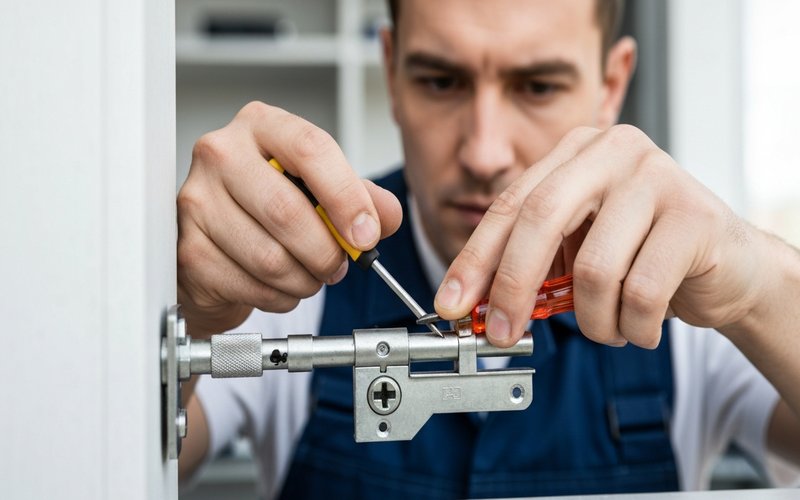
Convenience also plays a role. When you need to change a lock, doing it yourself means you can work on your own schedule without waiting for an appointment. For those who enjoy hands-on projects, there's genuine satisfaction in successfully installing or repairing your own locks.
However, what appears straightforward in a five-minute video often becomes complicated when you're dealing with your actual door, especially if you encounter unexpected issues like misaligned strike plates, stripped screw holes, or incompatible hardware.
When DIY Lock Projects Make Sense
Certain lock-related tasks are genuinely appropriate for capable DIY enthusiasts. Understanding which projects fall into this category can help you make informed decisions about your home security.
Basic Lock Maintenance
Routine lock maintenance is perhaps the most suitable DIY locksmith activity. These simple tasks can extend the life of your locks and keep them functioning smoothly:
- Cleaning and lubricating locks: Using graphite powder or silicone-based lubricant to keep mechanisms moving freely
- Tightening loose screws: Periodically checking and tightening door hardware to prevent wobbling
- Cleaning keyholes: Removing dirt and debris that can interfere with key insertion
- Adjusting strike plates: Making minor adjustments when doors settle slightly over time
Simple Lock Replacement
Replacing a standard interior door lock with an identical model can be a reasonable DIY project for someone with basic tool skills. If you're swapping out a bedroom or bathroom lock that has failed, and you're using the exact same brand and model, the process involves removing a few screws and reversing the installation.
The key phrase here is "identical replacement." When you're not changing lock types, backset measurements, or door preparations, you're simply reversing the removal process. Most quality locks come with clear instructions for this straightforward swap.
Installing Smart Lock Covers
Some smart lock systems are designed as retrofit devices that fit over existing deadbolts. These products are engineered for DIY installation and typically don't require you to change your door's bore hole or configuration. If you're comfortable with basic tools and following instructions, these can be successfully installed without professional help.
The Hidden Risks of DIY Locksmith Work
While some projects are DIY-friendly, many lock-related tasks carry risks that aren't immediately apparent to homeowners. Understanding these potential pitfalls is essential before you commit to a DIY approach.
Security Vulnerabilities
Improper lock installation creates security weaknesses that opportunistic burglars can exploit. A deadbolt that isn't seated correctly in the door may appear functional but can be forced open with minimal effort. Strike plates that aren't properly secured to the door frame's structural studs provide a false sense of security.
Rekeying locks without proper training often results in pins that don't align correctly, creating locks that can be picked more easily than properly configured ones. You might not notice these vulnerabilities until it's too late.
Property Damage
Door and frame damage represents one of the most common outcomes of DIY lock projects gone wrong. Drilling holes in the wrong location, using incorrect drill bit sizes, or applying too much force when installing hardware can permanently damage your door. This is especially problematic with expensive hardwood doors or historic properties in Astoria's older neighborhoods.
Stripped screw holes are another frequent issue. Once the wood fibers in a screw hole are damaged, the hardware won't hold securely. While this can be repaired, it requires additional work and materials that quickly erode any cost savings from the DIY approach.
Time and Frustration Costs
DIY locksmith projects almost always take longer than anticipated. What looks like a 30-minute job in a tutorial can stretch into several hours when you encounter complications. If you make mistakes that require purchasing additional parts or starting over, you're making multiple trips to the hardware store.
For busy Astoria residents, the time cost of a DIY project can actually exceed the cost of hiring a professional who can complete the work in a fraction of the time.
Warranty and Insurance Implications
Many homeowners don't realize that DIY lock installations can affect their insurance coverage. If a break-in occurs and your insurance company determines that improperly installed locks contributed to the vulnerability, they may deny or reduce your claim.
Additionally, self-installed locks typically void manufacturer warranties. If the lock fails due to installation error, you'll be purchasing a replacement out of pocket.
When Professional Locksmith Services Are Essential
Certain situations absolutely require professional locksmith expertise. Attempting these projects yourself is likely to result in additional costs, security vulnerabilities, or both.
Emergency Lockout Situations
Being locked out of your home, car, or business demands immediate professional assistance. Attempting to break in yourself can cause extensive damage to doors, locks, and frames. Professional locksmiths have specialized tools that allow non-destructive entry in most situations.
Emergency lockouts also involve time pressure. A professional locksmith can arrive quickly and resolve the situation efficiently, getting you back inside with minimal disruption to your day.
High-Security Lock Installation
High-security locks require precise installation to function correctly and provide the protection they're designed for. These advanced locking systems often include features like:
- Pick-resistant pin configurations
- Drill-resistant plates and components
- Reinforced strike plates with extended screws
- Restricted keyway systems
- Anti-bump technology
Rekeying Multiple Locks
Rekeying involves reconfiguring the internal pins of a lock to work with a different key. This is common when moving into a new home or after losing keys. While DIY rekeying kits exist, the process requires precision and understanding of pin tumbler mechanics.
Professional locksmiths can rekey multiple locks to work with a single key, creating a master key system for your property. This convenience is difficult to achieve reliably through DIY methods, and mistakes can render locks inoperable.
Commercial Lock Systems
Business security systems are inherently more complex than residential locks. Commercial properties often require:
- Access control systems
- Panic bars and fire-rated hardware
- Master key hierarchies
- ADA-compliant hardware
- Integration with security systems
Lock Repair and Diagnosis
When a lock malfunctions, diagnosing the problem requires experience. Is the issue with the lock cylinder, the bolt mechanism, door alignment, or the strike plate? Professional locksmiths can quickly identify the root cause and implement the most cost-effective solution.
Attempting to repair a lock without properly diagnosing the problem often leads to replacing parts that weren't actually faulty, while the real issue remains unaddressed.
Safe Installation and Service
Safes are complex security devices that require proper installation, anchoring, and sometimes maintenance. Professional locksmiths ensure safes are positioned correctly, properly secured to prevent removal, and functioning optimally. They can also assist with safe lockouts and combination changes.
The True Cost Comparison: DIY vs Professional
Making an informed decision requires looking beyond the initial price tag to understand the total cost of ownership and potential risks.
DIY Cost Factors
When calculating DIY costs, homeowners often forget to include:
- Tool purchases: Specialized tools you'll use once add significantly to project costs
- Multiple hardware store trips: Gas, time, and parking for repeated visits
- Mistakes and do-overs: Damaged components that need replacement
- Time investment: Hours spent learning, planning, and executing
- Opportunity cost: What else could you have accomplished with that time?
Professional Locksmith Value
Professional locksmith services include:
- Expertise and experience: Efficient problem-solving based on years of training
- Proper tools: Specialized equipment for every situation
- Warranty on work: Protection if something goes wrong
- Liability insurance: Coverage for any accidental damage
- Time savings: Quick completion of projects
- Peace of mind: Confidence in proper installation and security
Questions to Ask Before Deciding
Before committing to either DIY or professional locksmith services, ask yourself these critical questions:
About Your Skills and Resources
- Do you have experience with similar projects?
- Do you own or can you easily access the necessary tools?
- Do you have several hours available to complete the project?
- Are you comfortable troubleshooting unexpected complications?
- Do you understand the security implications of improper installation?
About the Project
- Is this an emergency situation requiring immediate resolution?
- Does the project involve high-security hardware?
- Will mistakes potentially compromise your property's security?
- Are there building codes or insurance requirements involved?
- Is the project part of a larger security upgrade?
About Risk Tolerance
- Can you afford to replace damaged components if something goes wrong?
- Are you willing to accept potential security vulnerabilities?
- How much is your time worth?
- What are the consequences if the project isn't completed successfully?
The Professional Locksmith Advantage in Astoria Queens
Choosing a professional locksmith in Astoria Queens offers distinct advantages beyond just technical expertise.
Local Knowledge and Fast Response
Local locksmiths understand the unique characteristics of Astoria properties. From pre-war apartment buildings to modern townhouses, different structures present different security challenges. A locksmith familiar with the area can provide solutions tailored to your specific property type.
When emergencies arise, local professionals can respond quickly. Rather than waiting for a national chain to dispatch someone from across the borough, a neighborhood locksmith can often arrive within 20-30 minutes.
Comprehensive Security Assessments
Professional locksmiths don't just fix the immediate problem—they can evaluate your entire property's security. They might notice vulnerabilities you've overlooked, such as:
- Weak strike plates that should be reinforced
- Doors that could benefit from additional deadbolts
- Windows lacking adequate locks
- Outdoor lighting that could deter intruders
- Access points you hadn't considered securing
Ongoing Relationship and Support
Establishing a relationship with a trusted local locksmith creates a valuable resource for future needs. Whether you're upgrading locks, dealing with emergencies, or simply need security advice, you'll have an expert you can call who already knows your property.
Transparent Pricing and Professionalism
Reputable locksmith companies provide upfront pricing before beginning work. You'll know exactly what you're paying for, with no hidden fees or surprises. This transparency, combined with guaranteed workmanship, offers peace of mind that DIY projects can't provide.
Making the Right Choice for Your Situation
The decision between DIY and professional locksmith services isn't one-size-fits-all. The right choice depends on your specific circumstances, skills, and needs.
When to Confidently Choose DIY
Go ahead with a DIY approach if:
- You're performing basic maintenance like cleaning and lubricating
- You're replacing an interior lock with an identical model
- You have relevant experience and the proper tools
- The stakes are low (not a main entry point or high-value area)
- You have ample time and patience for the project
- You're willing to call a professional if complications arise
When to Call Locksmith Astoria Queens
Contact professional locksmiths for:
- Any lockout emergency
- External door lock installation or replacement
- Rekeying projects, especially multiple locks
- High-security lock systems
- Commercial property needs
- Safe installation or service
- Lock malfunctions requiring diagnosis
- Master key system creation
- Security assessments and upgrades
- Any situation where mistakes could compromise security
Common DIY Mistakes to Avoid
If you do decide to tackle a simple lock project yourself, avoiding these common mistakes will increase your chances of success:
Using the Wrong Lock Type
Not all locks are suitable for all applications. An interior privacy lock won't provide security for an exterior door. Grade 3 locks don't offer the protection that Grade 1 locks provide. Researching the appropriate lock type for your specific need is essential.
Ignoring Door Preparation
Locks have specific requirements for backset (distance from door edge to cylinder center), bore hole diameter, and cross-bore size. Installing a lock that doesn't match your door's preparation requires modification that can permanently damage the door.
Skipping the Instructions
Even experienced DIYers should read the manufacturer's instructions carefully. Lock mechanisms vary by brand and model, and assumptions based on previous projects can lead to errors.
Over-Tightening Hardware
Too much torque on screws can strip threads, crack lock housings, or prevent mechanisms from operating smoothly. Following recommended tightening specifications prevents damage.
Neglecting Security Features
Installing a deadbolt without the reinforced strike plate, long screws that reach the door frame studs, and proper alignment reduces its effectiveness. Security features work as a system—missing one component weakens the whole installation.
The Evolution of Lock Technology
Understanding modern lock technology helps clarify why professional installation has become increasingly important.
Smart Locks and Connected Systems
Today's smart locks integrate with home automation systems, offer remote access, and provide activity logs. While some are designed for DIY installation, others require:
- Integration with existing security systems
- Network configuration and security setup
- Compatibility verification with other smart home devices
- Proper positioning for reliable wireless connectivity
Advanced Security Features
Modern high-security locks incorporate sophisticated features that require professional understanding:
- Restricted keyways that prevent unauthorized key duplication
- Anti-bump and anti-pick pin configurations
- Hardened inserts that resist drilling attacks